
Mantiq-E-Mantis
15/08, 2025
About
Mantiq-e-Mantis (or Mantiq of the Mantis) is a Lahore-based multi-faceted cultural and literary initiative, founded by writer Sabeen Jamil and artist Mehreen Murtaza. Rather than being just a magazine or journal, MotM functions as a community-sustained library, experimental publisher, and cross-disciplinary platform.
At its core, MotM centers on feminist, decolonial, and diasporic practices. It hosts writing workshops, reading groups, publishing projects, and conversations with artists and thinkers. Its name — Mantiq of the Mantis — evokes a poetic logic: the “mantis” as a symbol of stillness and contemplation, combined with “mantiq,” the Arabic-Urdu/Persian word for “logic” or “reason,” suggesting a space where reasoning, poetry, and critical thinking intertwine.
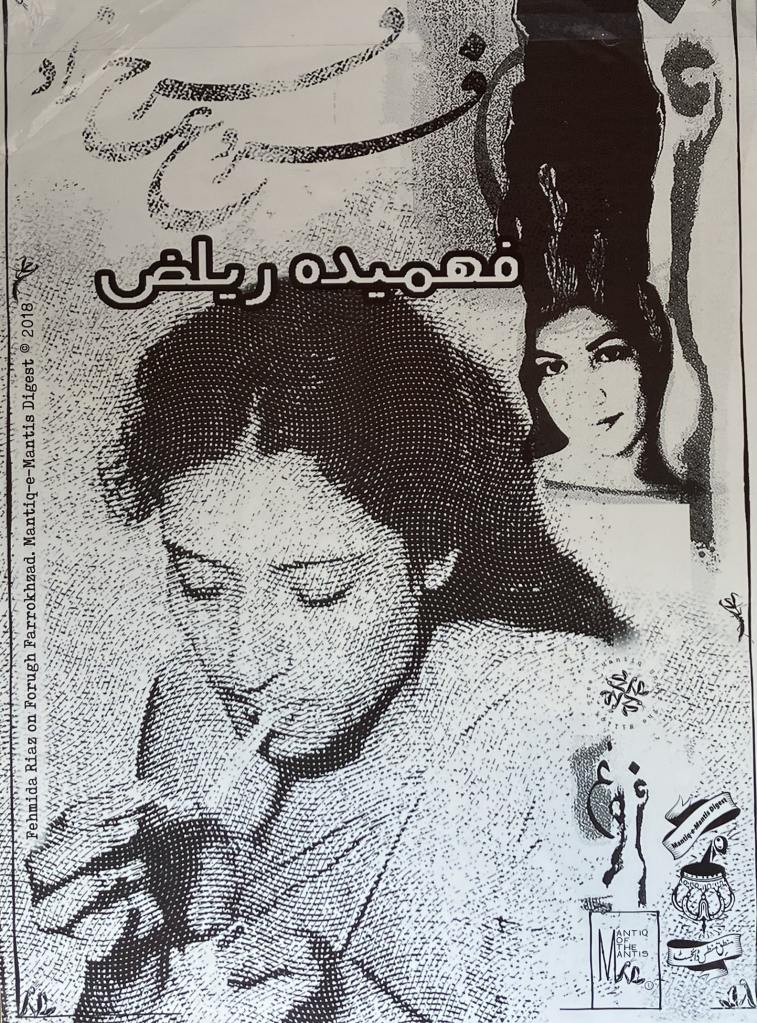
Their Digest series is one of their signature forms: beautifully designed print issues that bring together poetry, prose, essays, and art. In Digest Issue 1, for instance, they published a fine-art print that honours Fehmida Riaz (a trailblazing Pakistani feminist poet) and Forugh Farrokhzad (the groundbreaking Iranian poet, filmmaker, and painter). As you mentioned, the issue includes an Urdu feature reflecting on Fehmida’s life and work, an ode to Forugh, and many other richly rendered pages of literary and visual content.
Beyond print, MotM also curates events and conversations. Their “What’s Your Mantiq?” series, for example, invites artists, writers, and intellectuals to reflect on their own philosophies and practices, making the project as much about dialogue as about publication.
Mantiq-e-Mantis’ tribute to Fehmida Riaz and Forugh Farrokhzad places two towering literary voices of South and West Asia into direct, poetic dialogue. By bringing their words, histories, and radical energies onto the printed page, the project honors not only their artistic brilliance but also their shared insistence on truth-telling in cultures that often demanded their silence.
Fehmida Riaz (1946–2018), one of Pakistan’s most fearless feminist poets, was a writer who consistently refused compromise. Known for her bold, sensuous, and politically charged verse, she challenged the conservative social norms and state censorship of her time. Her work became especially subversive during the Zia-ul-Haq dictatorship, when her poems were read as acts of resistance. Forced into exile, she continued writing from India, becoming a powerful bridge between the literary cultures of the subcontinent. Riaz’s legacy—her unwavering commitment to women’s autonomy, to linguistic beauty, and to speaking against oppression—has made her a central figure in contemporary Urdu literature. Her voice echoes in every line that insists a woman’s interior life is worthy of public space.
Forugh Farrokhzad (1934–1967), the iconic Iranian poet, screenwriter, filmmaker, and painter, occupies a similarly transformative position in Iranian culture. Often regarded as the first truly modern female voice in Persian poetry, Farrokhzad shattered conventions through an intensely personal, emotionally raw, and stylistically groundbreaking body of work. Her poems embraced female desire, loneliness, rebellion, and spiritual longing with a candor that shocked her contemporaries and inspired generations after her. Her landmark short film The House Is Black remains a masterpiece of Iranian cinema—an empathetic, formally daring reflection on humanity and suffering. Farrokhzad’s life was as luminous as it was brief, her death at 32 amplifying her mythos as an artist who burned intensely and left behind a seismic cultural shift.
By placing these two poets side by side, Mantiq-e-Mantis illuminates the transnational kinship between women who remade the literary possibilities of their languages—Urdu and Persian—through defiance, vulnerability, and craft. The fine art print included in Digest issue 1 becomes a kind of altar: a meeting place where Riaz’s insistence on political courage intersects with Farrokhzad’s radical emotional honesty. The Urdu feature on Fehmida’s remembrance adds a deeply rooted cultural resonance, ensuring that her memory remains alive and celebrated, while the ode to Forugh honors her as a visionary whose influence continues to ripple across borders and disciplines.
These tributes sit among many other lush, carefully composed pages in the issue, each one contributing to the magazine’s broader mission of amplifying voices and aesthetics that challenge, expand, and reimagine the cultural landscape. In bringing Riaz and Farrokhzad together, Digest not only commemorates two revolutionary poets but also asserts the enduring necessity of women who write, who resist, and who dream beyond the confines of their time.
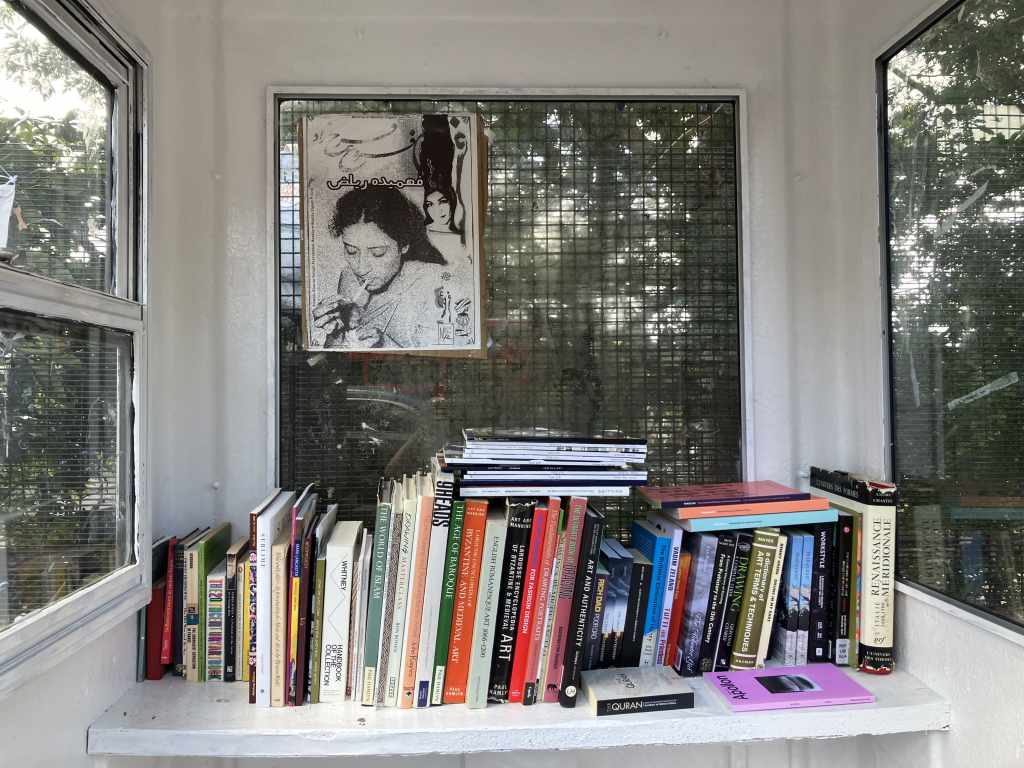
On view at Crystal Kabinett, Crystal Palace Parade, London SE19 1UD
 Kabinett Gallery